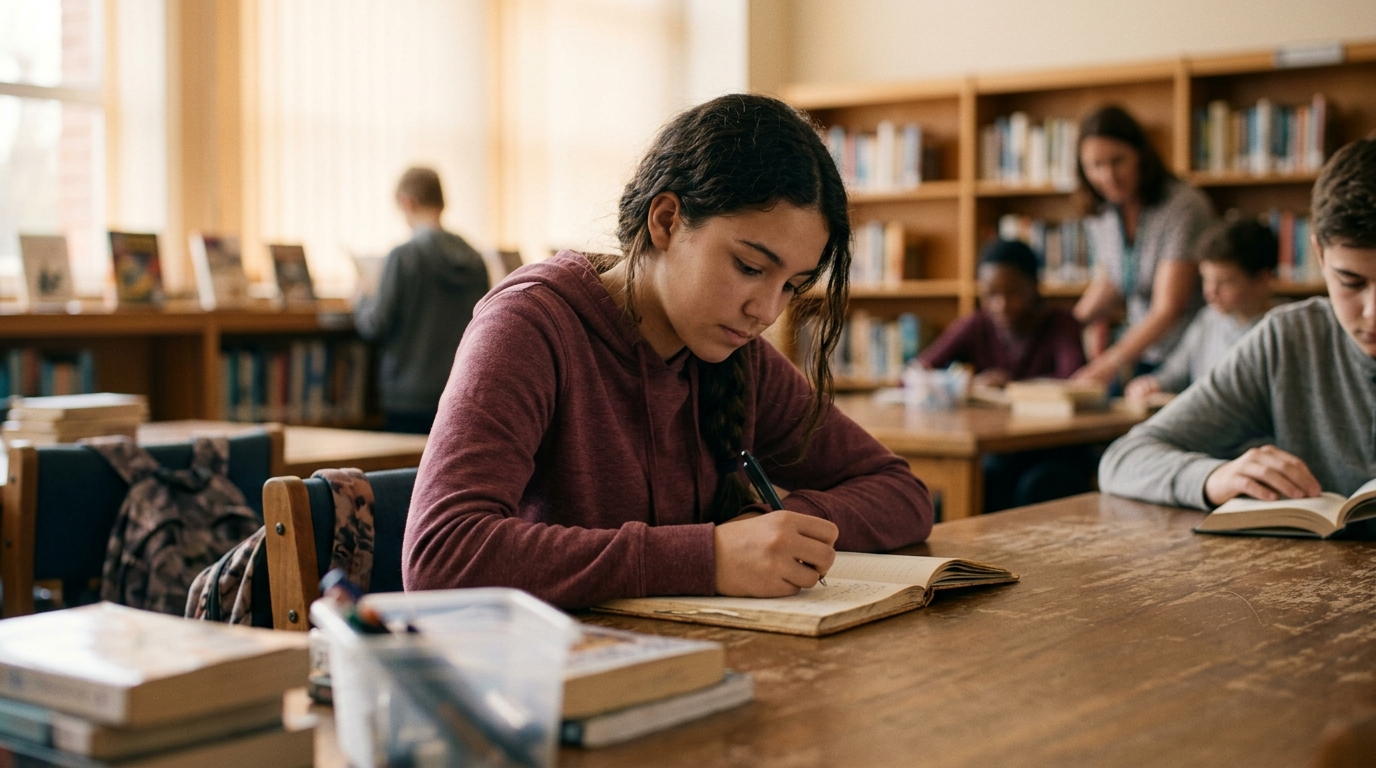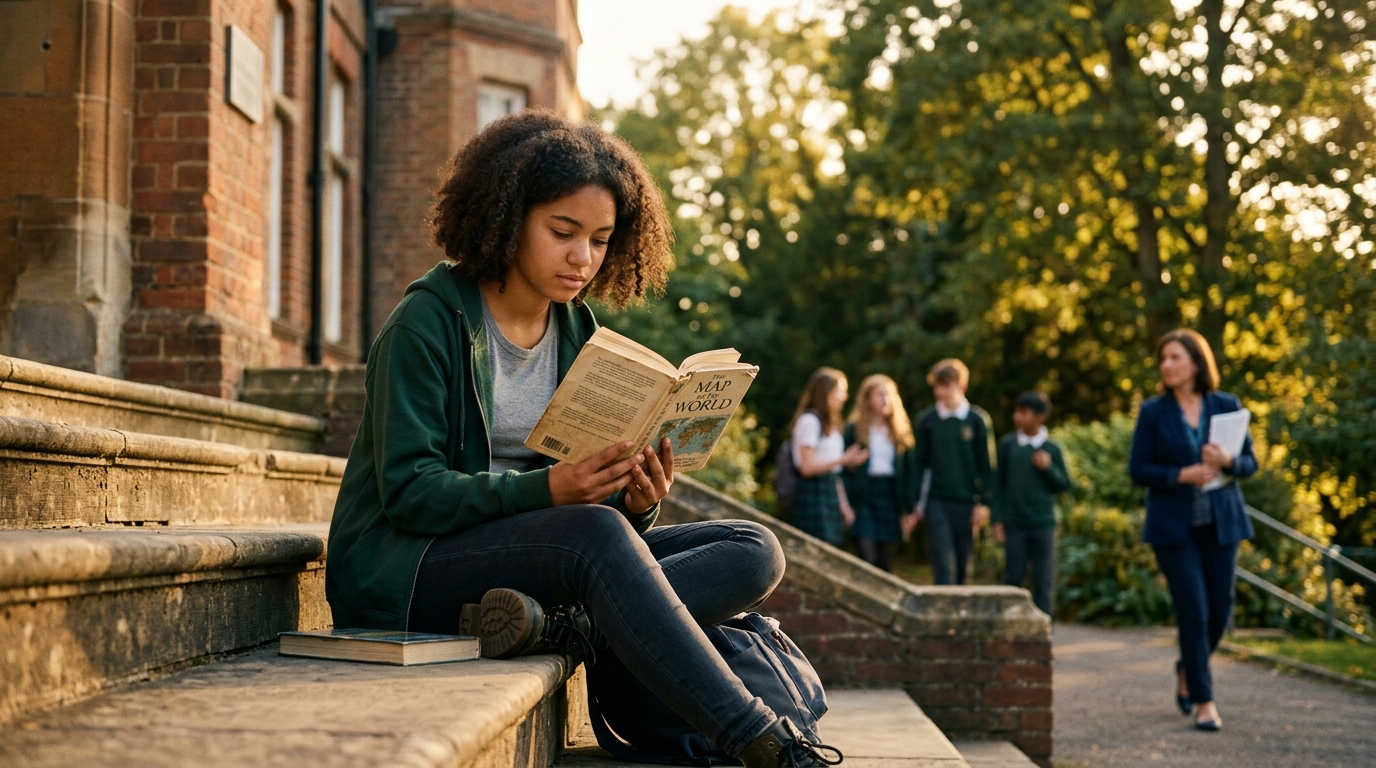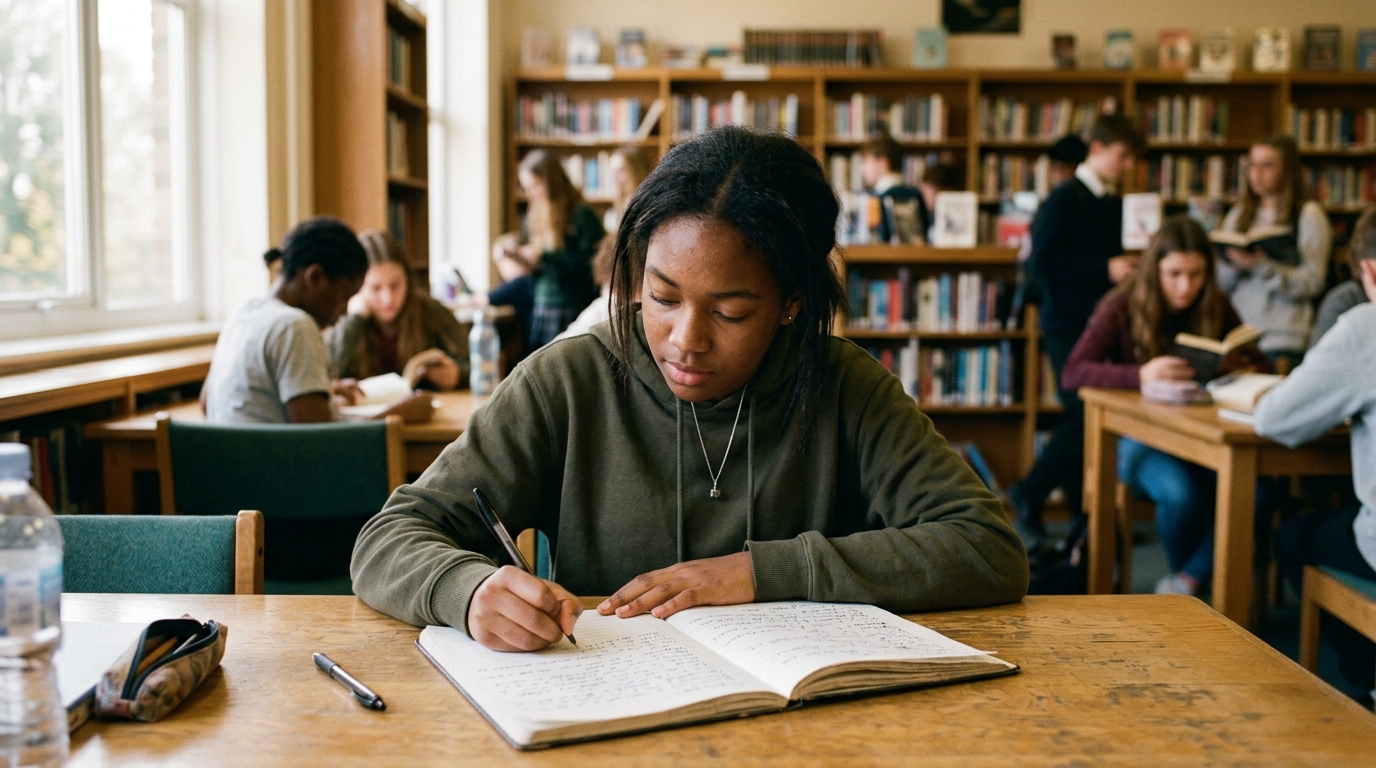
For many adolescents, reading struggles are also confidence struggles. Peer tutoring offers secondary schools a practical way to strengthen literacy, motivation, and belonging—without pretending teachers can do it all alone.
Reading difficulty in secondary school is rarely just about decoding words on a page. By middle and high school, students who have fallen behind in reading often carry years of frustration with them. They may avoid reading aloud, rush through assignments, or quietly decide that school literacy is simply not for them. That is why any serious conversation about adolescent reading has to include confidence, identity, and relationships—not just test scores.
Peer tutoring can help on all three fronts. When it is structured well, it gives students more time reading, more chances to talk about texts, and more opportunities to succeed in front of someone who feels less intimidating than an adult evaluator. In a time when schools are being asked to raise literacy rates while managing staffing shortages, packed schedules, and wide ranges of student need, peer tutoring is not a miracle cure. But it is one of the most realistic tools schools can use to rebuild reading confidence and strengthen literacy in grades 6-12.
Why adolescent reading confidence matters
The need is real. According to the National Assessment of Educational Progress, often called the Nation’s Report Card, the average reading scores for both 8th and 12th graders were lower in 2022 than in 2019. NAEP also showed long-term concern about the number of students performing below proficiency. Those figures matter, but teachers already know what they look like in daily life: students who can technically read a passage but struggle to sustain attention, infer meaning, discuss ideas, or make sense of academic vocabulary across subjects.
Confidence is part of that picture. Adolescents are acutely aware of how they compare with peers. A sixth grader who still reads haltingly, or a ninth grader who cannot easily access grade-level history text, is not just dealing with a skill gap. They are often managing embarrassment. That emotional weight can turn every reading task into a threat.
International data point in a similar direction. PISA, the Programme for International Student Assessment run by the OECD, has consistently shown that reading achievement is connected not only to skill instruction but also to engagement, self-belief, and reading habits. High-performing systems such as Estonia, Canada, Singapore, and Finland differ in important ways, but they share a broad commitment to strong teacher preparation, early intervention, and classrooms where students actively discuss and make meaning from text. Secondary literacy improvement is rarely built by worksheets alone.
What peer tutoring does well
At its best, peer tutoring increases two things that struggling readers urgently need: practice and psychological safety.
A classroom teacher with 30 students cannot provide constant individual reading support, no matter how skilled and dedicated they are. Peer tutoring creates more repetitions, more talk, and more feedback inside the same school day. A student can read a passage, summarize it, ask a question, clarify a word, and try again—several times in one class period. That kind of active practice matters.
Just as important, students often take risks more readily with peers. A classmate can model fluency, help unpack directions, or prompt a reread without making the interaction feel like a public judgment. For adolescents who have learned to protect themselves by disengaging, that lower-stakes setting can be the beginning of renewed effort.
Peer tutoring also works against a harmful idea that reading support is only for the students who are "behind." In a strong program, both partners benefit. Tutors deepen comprehension by explaining ideas, and tutees gain access to models, encouragement, and immediate support. The social message is powerful: reading is something we do together.
What it can look like in grades 6-12
Peer tutoring in secondary schools does not have to mean one older student informally helping a younger one after school, though cross-age tutoring can be effective. Schools can use several models.
Same-age tutoring works well within a class when teachers pair students strategically and provide clear routines. Partners might alternate reading chunks of a science article, summarize each section, and identify one unfamiliar term before moving on.
Cross-age tutoring can be especially effective in middle and high school buildings. Older students can support younger readers during advisory, intervention blocks, study halls, or after-school programs. The age gap can make the tutor feel credible while still keeping the interaction approachable.
Reciprocal peer tutoring is another strong option. In this model, students switch roles so each learner serves as both tutor and reader. That structure avoids labeling one student as the permanent helper and the other as the permanent struggler.
The most effective routines are simple and repeatable: read, pause, summarize, question, clarify, and encourage. Secondary students do not need activities that feel childish. They need clear protocols, interesting texts, and enough consistency to experience growth.
The conditions that make peer tutoring work
Peer tutoring is not just putting students in pairs and hoping for the best. Schools get the strongest results when they build structure around the idea.
First, students need training. Tutors should learn how to prompt rather than rescue, how to give specific praise, and how to correct errors respectfully. Sentence stems help: “Can you reread that sentence?” “What do you think this word means here?” “What is the main idea of this paragraph?”
Second, texts and tasks must be well matched. If the material is far too difficult, both students can become frustrated. If it is too easy, the work feels artificial. Short, high-interest texts often work better than lengthy passages, especially at the beginning.
Third, teachers need progress checks that are manageable. That may include fluency timings, short written summaries, vocabulary logs, or quick comprehension questions. The goal is not to create a mountain of paperwork. It is to help students notice that effort is leading somewhere.
Fourth, schools should protect dignity. Adolescents are sensitive to status. Pairings should be thoughtful, routines should be normalized for many students, and support should not feel like a public sorting system.
The real challenges schools face
It is important to be honest: peer tutoring is promising because it is practical, not because it is effortless.
Secondary schools operate inside real constraints. Class periods are short. Teachers are responsible for content coverage as well as literacy support. Staff turnover can make program consistency difficult. Some students have significant unmet needs in decoding, language comprehension, or attendance that peer tutoring alone cannot address.
There is also the training question. Students are not automatically effective tutors. They need coaching, practice, and adult monitoring. That takes time up front, and time is the resource schools are always short on.
Still, these challenges are exactly why peer tutoring deserves attention. It is adaptable. It can fit inside English classes, content-area classrooms, advisory periods, intervention blocks, or summer programs. It does not require expensive new technology. And it aligns with a basic truth about adolescent learning: students are more likely to persist when they feel seen, competent, and connected.
Realistic strategies schools can start now
Schools do not need a perfect literacy overhaul to begin. They need a plan small enough to sustain.
Start with one grade level or one department rather than launching schoolwide all at once. A sixth-grade team or ninth-grade English department can pilot routines, solve scheduling issues, and build staff confidence.
Use short training modules for tutors. Ten to fifteen minutes on modeling, prompting, praise, and correction can go a long way when paired with practice.
Choose predictable routines. For example: two minutes of partner reading, one-minute summary, one vocabulary check, and one discussion question. Repetition helps students focus on reading rather than on figuring out new directions.
Build in teacher-selected texts across subjects. Adolescent literacy improves when students practice reading not only in English but also in science, history, and career and technical courses.
Track visible growth. A simple chart of completed texts, improved fluency, or stronger summaries can help students connect their work to progress. Confidence grows when improvement becomes visible.
Protect the human side. Celebrate effort, consistency, and helpful coaching—not just high scores. For students who have known reading mainly as failure, that shift matters.
Peer tutoring will not replace strong instruction, intervention, or family partnership. But it can create something many adolescents need before they can fully reengage with reading: a safe chance to try, struggle, improve, and be successful in front of another person. In secondary education, that is not a small thing. It is often where literacy recovery begins.